Scan Civilization
In Collaboration with Project Chinkana
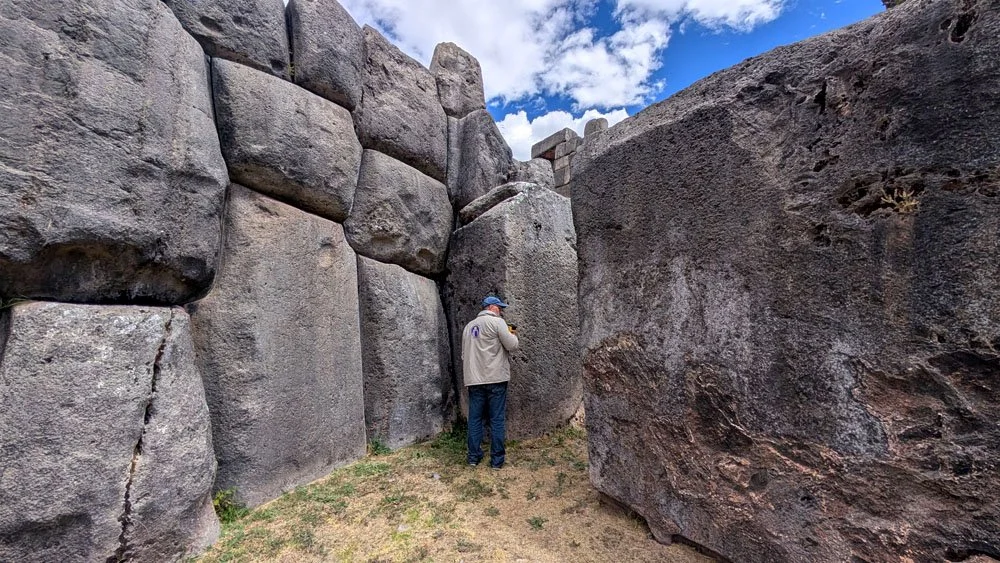
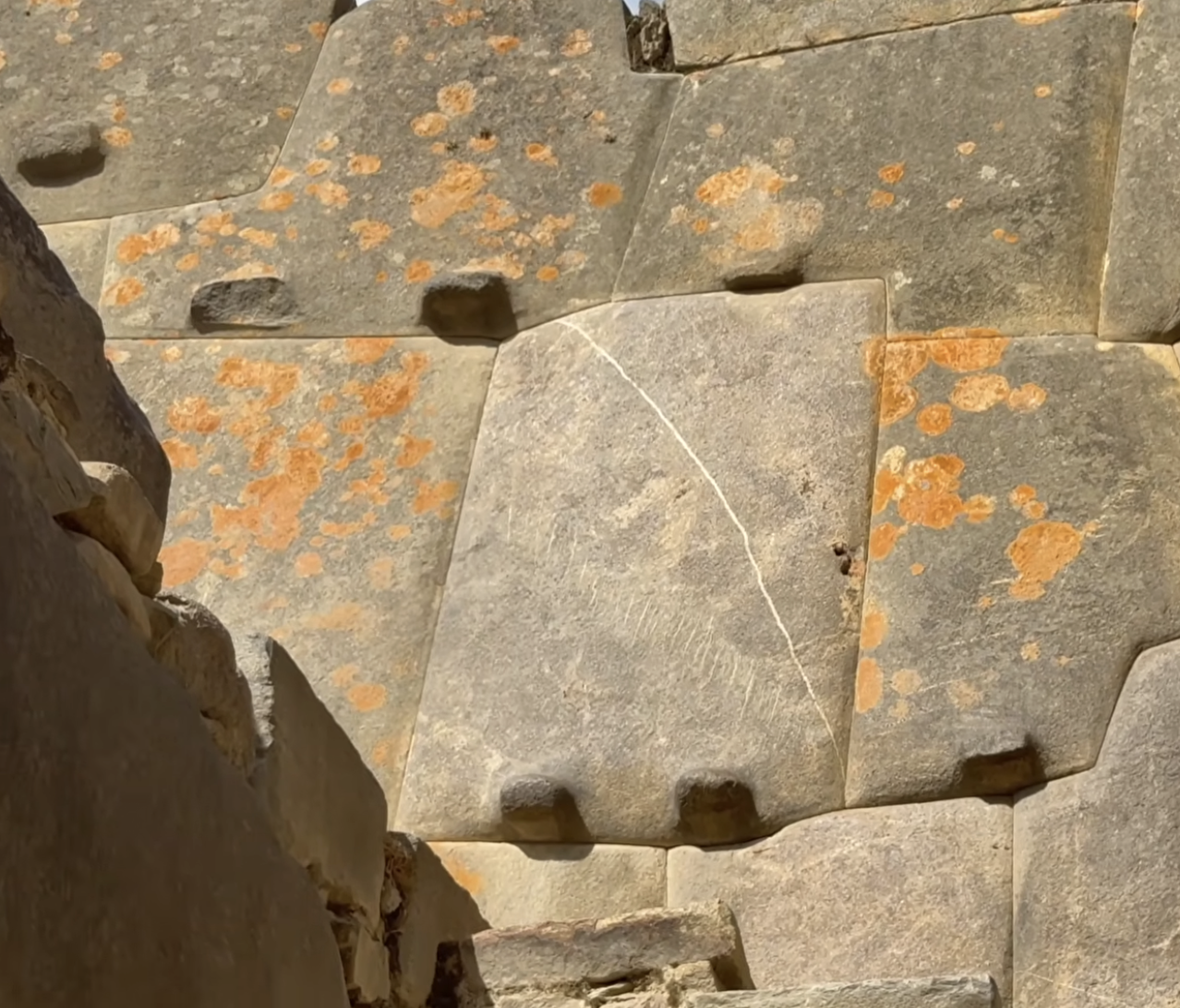
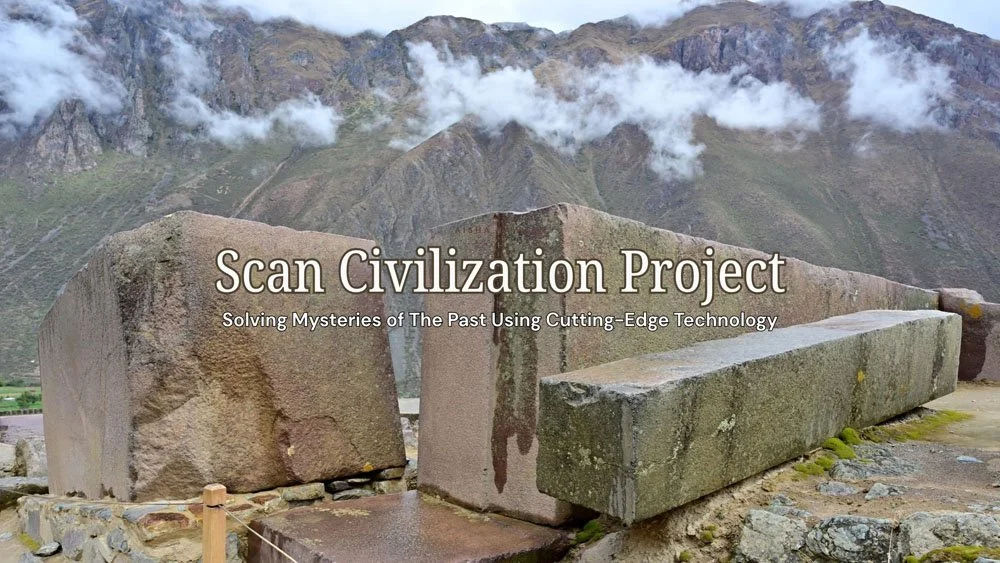
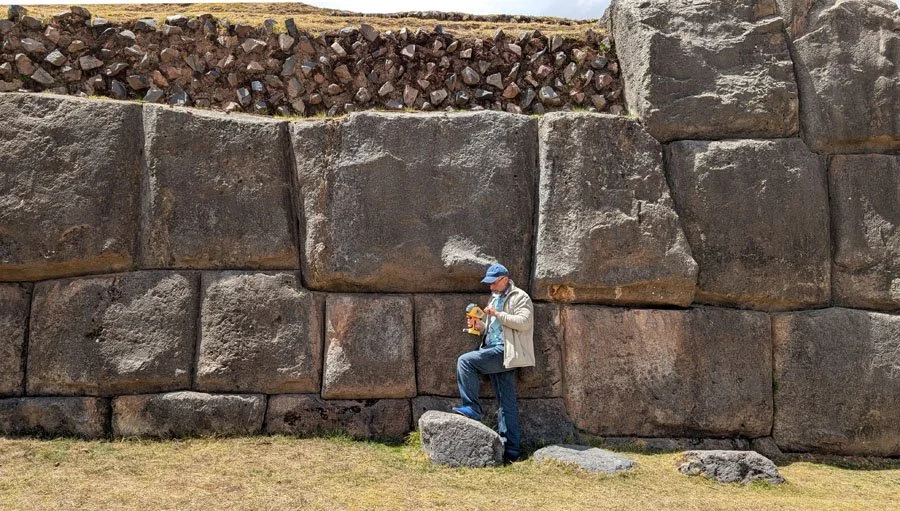
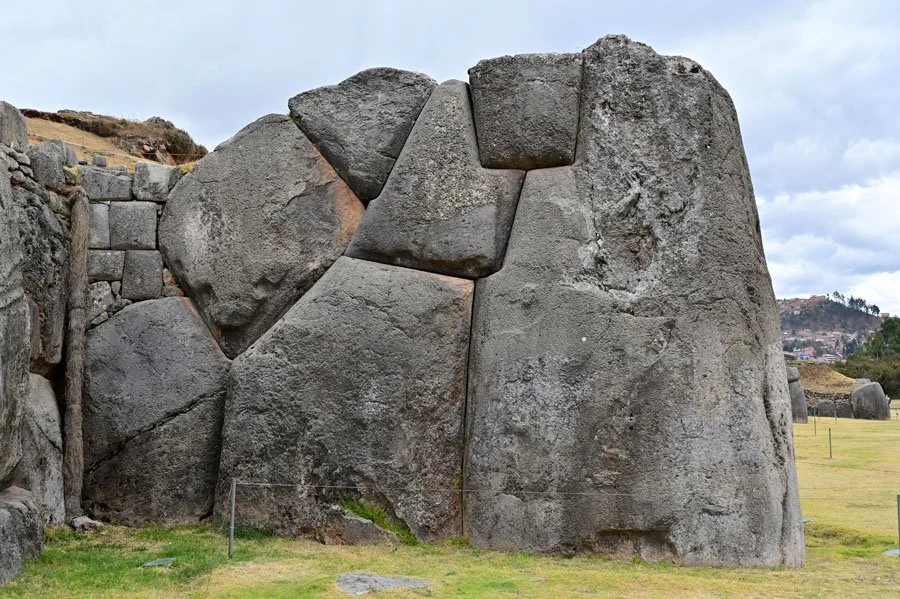
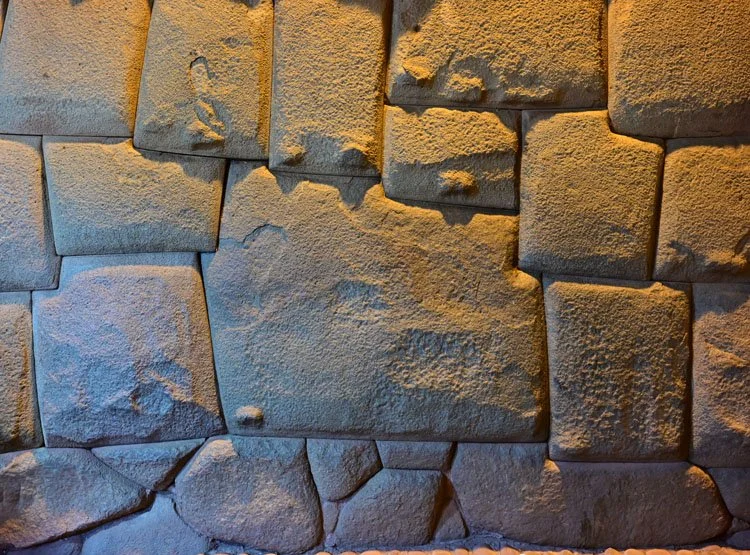
The incredible stone masonry continues to attract vast public interest, drawing visitors to Peru, Egypt, and beyond. The ScanCivilization project was established to address unresolved questions concerning the unexplained human past. While some narratives attribute megalithic constructions to aliens and thereby diminish evidence of human ingenuity, conventional archaeological interpretations frequently leave gaps between public curiosity and rigorous scientific and visual explanation.
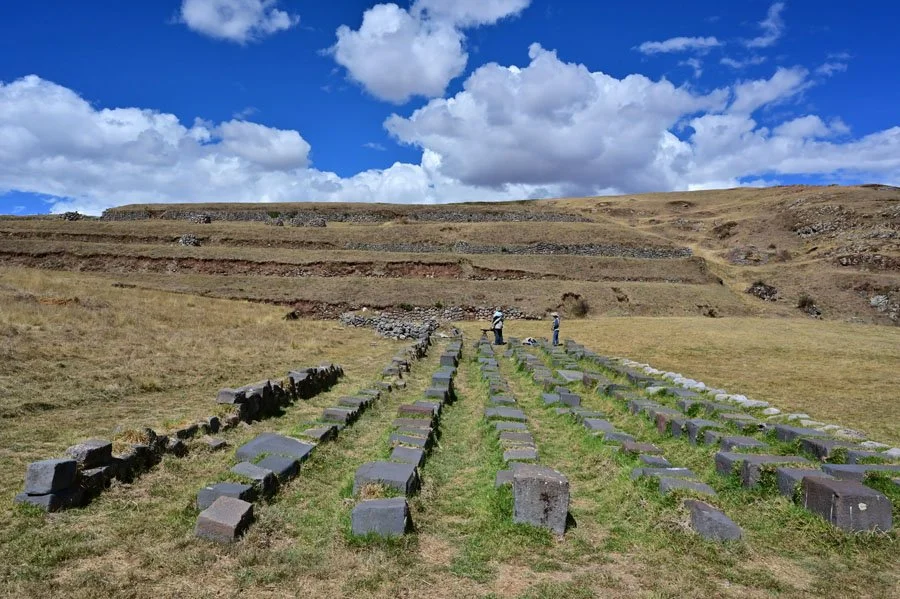
Current project consists of three members: Dr. Max Fomitchev-Zamilov, Enrico Orta, & Veronica Winters. Together with archaeologists Dr. Jorge Calero and Dr. Mildred Fernández, ScanCivilization takes part in the Chincana project in Cusco, Peru.
ScanCivilization maintains no predetermined conclusions on the subjects it investigates. Instead, it seeks to determine factual accuracy by integrating advanced research methodologies with a reasoned, evidence-based approach to topics of significant public interest.
ScanCivilization Goals:
1. Acquire and publish 3D scans of objects and artifacts of intense public interest.
2. Study the 3D scans: discoveries may be hiding in the data.
3. Publish scientific papers when the results of the study are deemed novel and of scholarly importance. For an example of our prior work, review our high-impact “A metrological method for manufacturing quality assessment and classification of ancient Egyptian stone vessels” publication in Nature Heritage Sciences pertaining to ancient Egyptian stone vessels https://www.nature.com/articles/s40494-025-02196-7.
4. Oppose the proliferation of ‘YouTube’ pseudoarchaeology, which capitalizes on sensational claims while disrespecting indigenous cultures and downplaying the role of mainstream archaeological research.
5. Satisfy enormous public interest in our shared cultural past in a respectful and scientifically sound manner.
ScanCivilization Ethos:
1. As a former Penn State professor and published scientist, Dr. Fomitchev-Zamilov, the leading force behind ScanCivilization, strives to ensure that ScanCivilization conducts its digital documentation effort ethically and legally, e.g., in collaboration with local archaeologists where the regulations require it, and with appropriate permission of museums if the work is to be done at the museum. In the past, Dr. Fomitchev-Zamilov has conducted permitted research at the Petrie Museum at UCL (London, UK) and at Manchester Museum.
2. ScanCivilization is cognizant of the preservation efforts necessary to ensure the security and safety of the historical sights and artifacts it wishes to study.
3. ScanCivilization relies almost exclusively on non-destructive analysis, such as 3D scanning, XRF analysis, and gamma spectroscopy.
4. To collect samples for laboratory analysis (such as SEM/EDS), ScanCivilization would require official permission.
Unlocking the mysteries of the ancient world
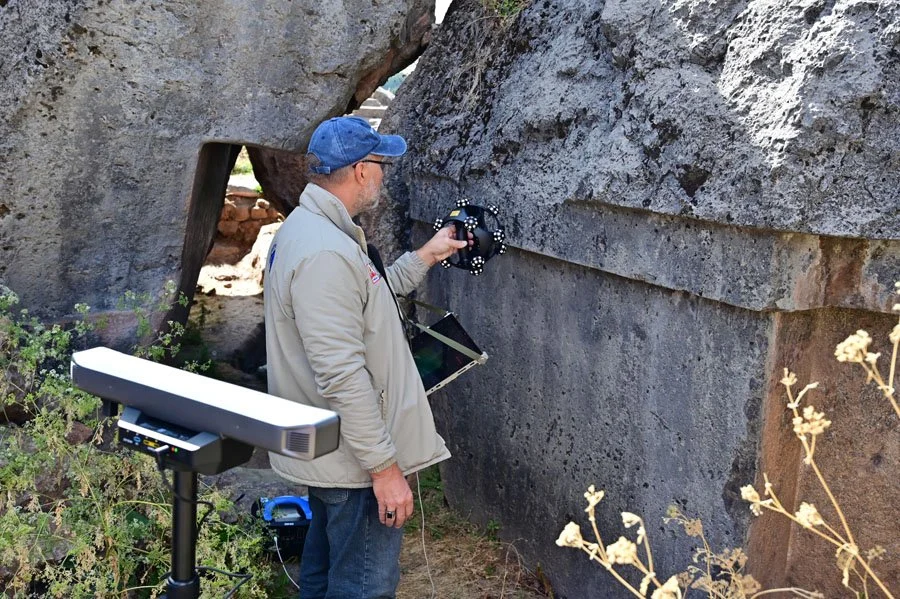
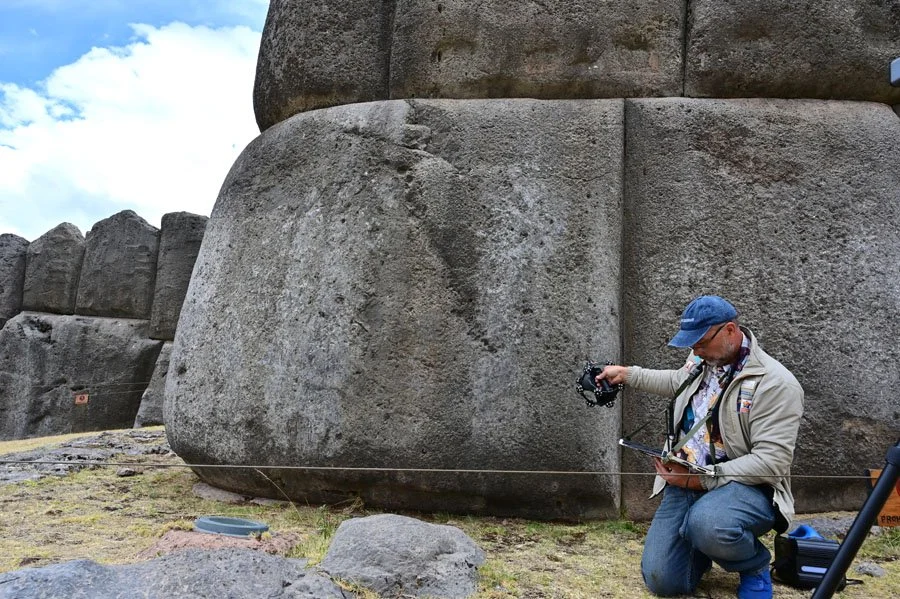
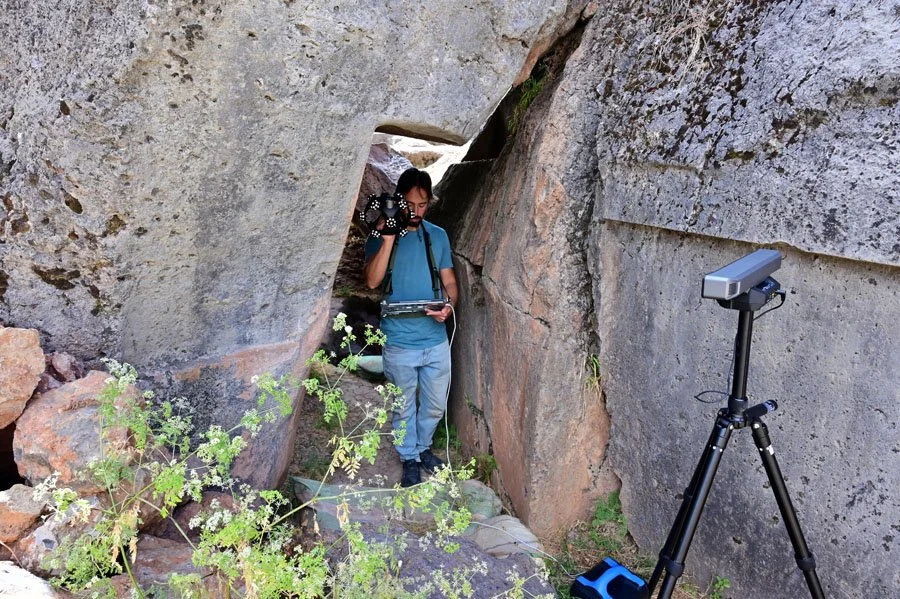
Using a large format metrology-grade 3D scanner, we aim to collect, analyze & publish data of the megalithic structures around the world.
Via 3-D Scanning we can do comparative statistical analysis of block finishing and quality of flat surfaces. Cut and drill marks can be scanned to do a comparative analysis to determine type of tool usage.
Other instruments at our disposal are a portable X-Ray diffraction gun and electron microscope in order to analyze elemental composition in the field and/or via sample.
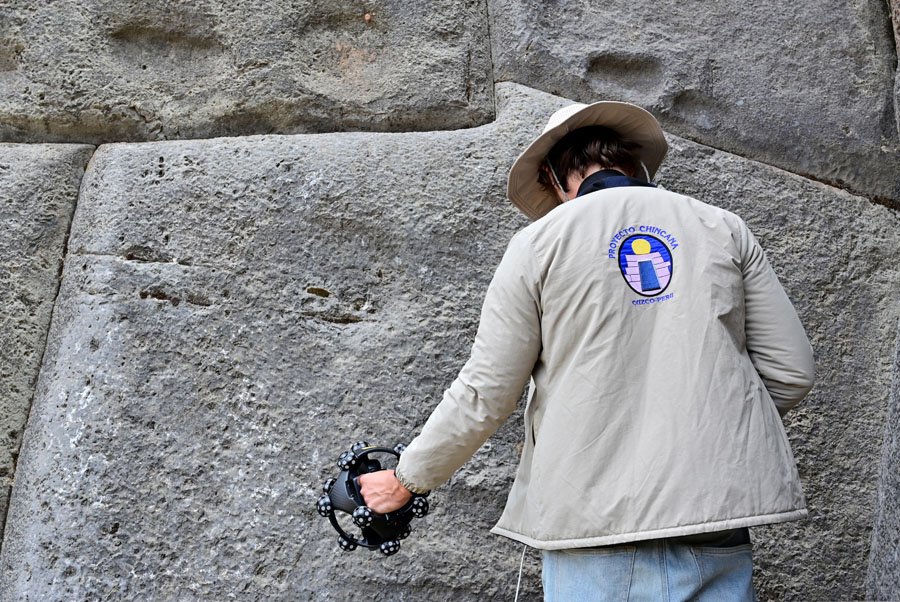
ScanCivilization plans to travel to different parts of the world to scan, analyze and publish data about ancient stones, tools, and tech used in the past.